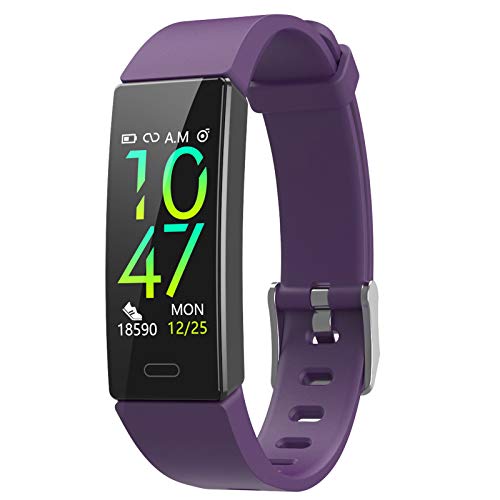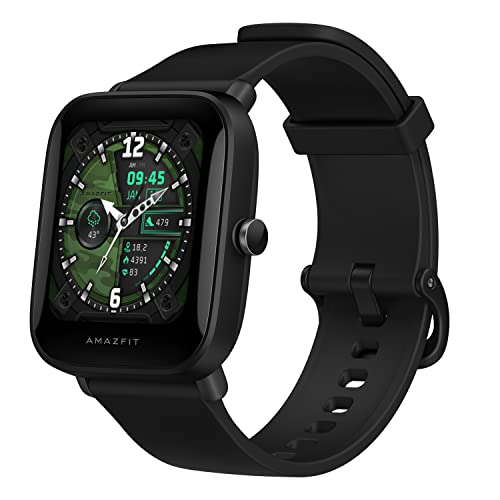
When it comes to health rate monitors, a few basics can help you understand what makes these gadgets so useful. At their core, they track your heart rate and help you keep an eye on your fitness levels. Whether you’re working out, resting, or just going about your daily life, these devices give you real-time feedback, so you always know how hard your heart is working.
Most heart rate monitors use either optical sensors or electrical sensors to read your heart rate. Optical sensors shine a light onto your skin and measure blood flow. Electrical sensors, often found in chest straps, read the electrical signals from your heart. Both methods do a pretty good job, but the chest straps tend to be more accurate, especially during intense workouts.
Many modern health rate monitors do way more than just count your heartbeats. They often track your overall activity levels, calories burned, sleep quality, and even stress levels. This means you can see a complete picture of your health all in one place. Plus, many of them connect with apps on your phone, allowing for easy tracking and sharing of your stats.
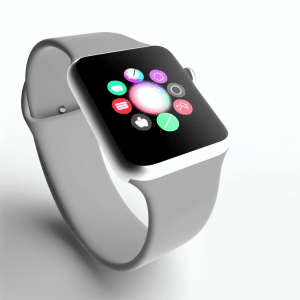
If you’re serious about getting fit or just want to keep an eye on your health, investing in a health rate monitor is a smart move. With so many options out there, it’s easy to find one that fits your needs and lifestyle. Whether you prefer a sleek smartwatch or a simple chest strap, there's something for everyone!
Why Track Your Heart Rate
Tracking your heart rate can give you some real insights into your health. It’s a great way to see how your body responds to different activities. Whether you're hitting the gym, going for a walk, or just chilling at home, knowing your heart rate helps you understand what’s going on inside.
One big reason to keep an eye on your heart rate is fitness. Staying in your target heart rate zone can help you maximize your workouts. When you know you’re in that sweet spot, you're burning calories more efficiently and getting stronger. Plus, it keeps you motivated. Seeing those improvements over time is pretty rewarding!
Heart rate monitoring is also super useful for stress management. Stress can really take a toll on your heart, and sometimes you don’t even realize it’s happening. Tracking your heart rate can help you identify those moments when you might need to take a breather, do some deep breathing, or even just take a walk to reset.
And let’s not forget about overall health. Regularly checking your heart rate can help you spot potential health issues early. If your resting heart rate suddenly jumps up, it could be a sign of stress, dehydration, or other health concerns. Catching those changes early can make a real difference in how you feel day to day.
Features to Look For
When hunting for a heart rate monitor, keep an eye out for these key features. They can make a big difference in how well the monitor fits into your lifestyle and workout routine.
Accuracy: You want a monitor that gets your heart rate right. Look for models with optical sensors or chest straps. Chest straps usually offer the most precise readings, especially during intense workouts.
Comfort: If it’s not comfortable, you won’t want to wear it. Look for lightweight designs with adjustable bands. Some monitors offer a sleek look that won't irritate your skin, so you can wear it all day without a hitch.
Battery Life: Nobody wants to charge their gadget constantly. Search for a monitor that can last several days or even weeks on a single charge. This is especially handy if you’re planning to use it for long runs or hiking trips.
App Compatibility: Most heart rate monitors connect to smartphone apps. This adds a lot of value, letting you track your heart rate trends, set goals, and monitor your overall fitness progress. Make sure the app is user-friendly and has the features you’re looking for.
Choosing the Right Monitor
Picking the right heart rate monitor might feel tricky, but it doesn't have to be! First things first, think about what you need it for. Are you a casual walker, a daily runner, or a serious athlete? Your needs can steer you towards the right choice.
Check the monitor's features. Some monitors just track heart rates, while others offer GPS, calorie counts, and even sleep tracking. If you want all those extras, look for a model that can do it all. If you want something straightforward that just tracks your heart rate, there are plenty of simple options out there.
Comfort matters too. You'll likely wear this thing a lot, so make sure it feels good on your wrist or chest. Look for soft straps if you prefer a chest monitor or lightweight designs for wrist monitors. You don’t want to be constantly adjusting it while you workout!
Battery life is another important piece of the puzzle. If you're training for long sessions or just don’t want to charge your device constantly, find one with good battery life. Some monitors last for weeks on a single charge, which is a huge win for busy people.
Lastly, consider compatibility. Some monitors sync with apps or smart devices, helping you keep track of your progress and goals. Make sure the one you choose works with your smartphone or wearables, so you can easily see your stats when needed.